
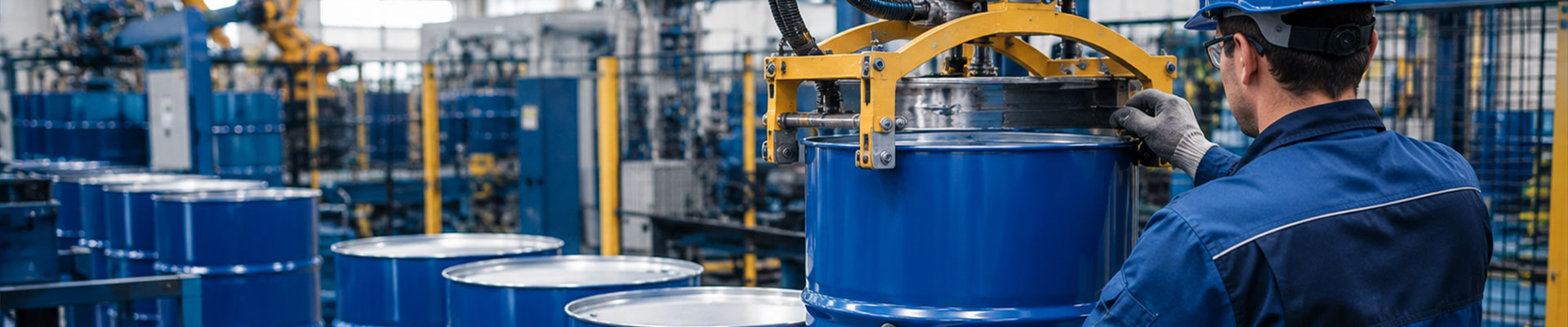
Why Steel Drums Remain the Global Standard
Steel drums have been the preferred industrial packaging solution for decades, trusted by manufacturers, logistics providers, and regulators around the world. Their exceptional strength, durability, and ability to safely transport both hazardous and non-hazardous materials make them an industry benchmark. In addition to outstanding product protection, steel drums support circular economy goals through reuse, reconditioning, and permanent recyclability, that means recyclability without loss of essential / inherent material properties. As global supply chains continue to evolve, steel drums remain the packaging solution of choice where safety, performance, compliance, and sustainability matter most.
What Is a Steel Drum?
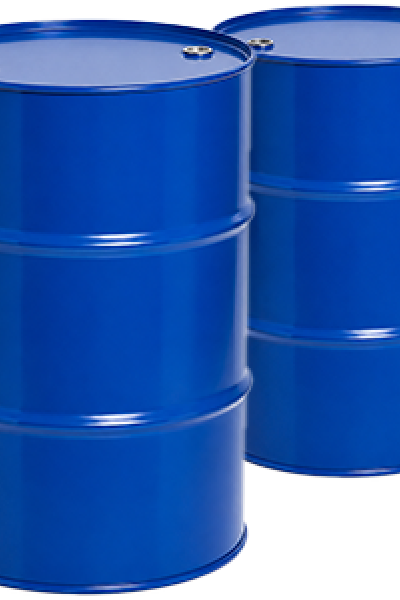
A steel drum is a cylindrical industrial packaging container manufactured from high-quality carbon steel and designed for the safe storage and transport of liquids, powders, semi-solids, and hazardous materials. Known for their exceptional strength and durability, steel drums provide reliable protection throughout the supply chain, even under demanding handling and transport conditions.
Available in a variety of sizes and configurations, steel drums are widely used across industries including chemicals, lubricants, food ingredients, pharmaceuticals, and industrial manufacturing. Many drum types are approved for the transport of dangerous goods and comply with international packaging regulations. Their ability to be reused, reconditioned, and recycled makes them an important component of today's circular economy. As a result, steel drums continue to be one of the most trusted and versatile industrial packaging solutions worldwide.
Benefits of Steel Drums
Strength & Durability
Designed to withstand demanding industrial environments.
Safety
Ideal for hazardous and contact-sensitive products.
Sustainability
Over 95% recyclable and reusable.
Regulatory Compliance
Suitable for UN-certified dangerous goods transport.
Product Protection
Excellent barrier against contamination and damage.

Circular Economy
Supports reuse, reconditioning, and recycling initiatives.
Why Choose Steel Over Alternative Packaging?
Steel drums remain the global standard for industrial packaging thanks to their strength, safety, and reliability. Used worldwide for the transport of hazardous and non-hazardous goods, they offer exceptional protection against impact, temperature variations, moisture, and UV exposure. Their robust design enables safe stacking, efficient container utilisation, and long-term performance without legal time limitations for dangerous goods transport. In addition to outstanding product protection, steel drums support sustainability goals through reuse, reconditioning, and permanent recyclability. Combining regulatory compliance with operational efficiency, steel drums continue to be a preferred choice across global supply chains.
Steel Drums
✅ High strength
✅ Very high recyclability
✅ Reusable
✅ Long service life
Alternative Materials
❌ Lower durability
❌ Lower recyclability
❌ Higher replacement frequency
❌ Lower material recovery value
Delivery Forms
Tight Head Drum
Steel drum with permanently fixed top and closure openings.
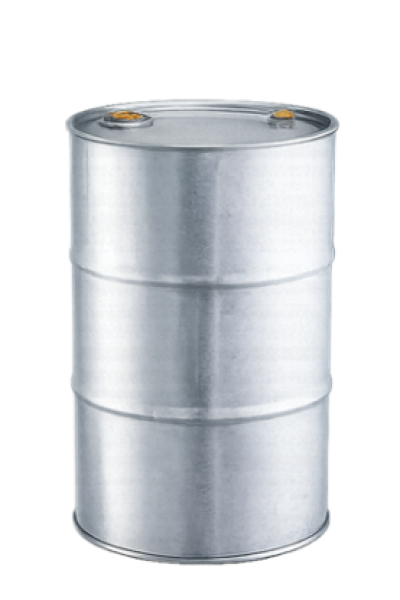
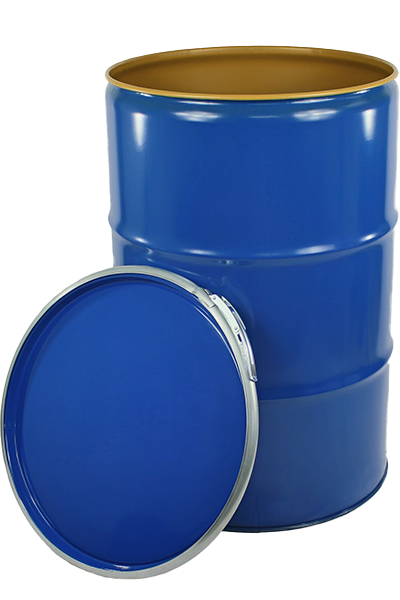
Open Head Drum
Removable lid with closing ring for easy filling and emptying.
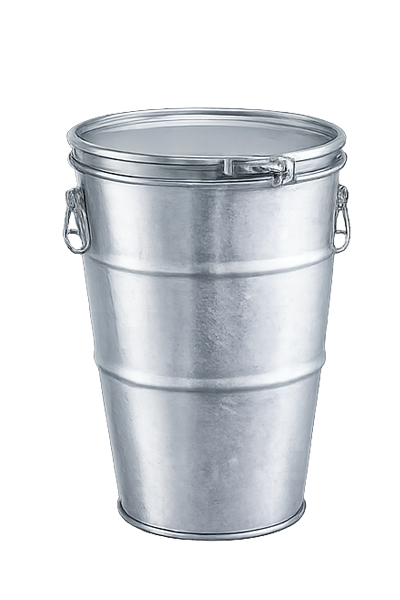
Conical Drum
Space-efficient design allowing nesting when empty.
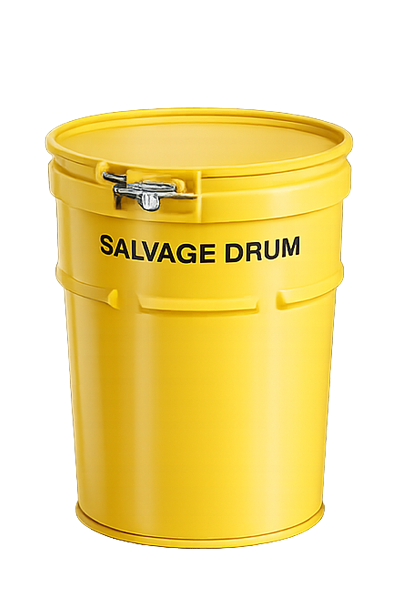
Salvage Drum
Special drum used to contain damaged, leaking or non-compliant dangerous goods packaging.
Industry Insights
Stay informed with industry insights, regulatory developments, sustainability initiatives, technical guidance, and SEFA activities.
Why UN Drums Matter
When transporting hazardous materials, packaging must meet strict international safety requirements. UN-certified steel drums are specifically designed and tested to ensure safe transport, storage, and handling of dangerous goods across global supply chains. Their certification demonstrates compliance with internationally recognised performance standards and helps protect people, products, and the environment.
Drop Test
Hydraulic Pressure Test
Stacking Test
Type Approval
Frequently Asked Questions
What is a steel drum?
What is the difference between open head and tight head drums?
Are steel drums recyclable?
Can steel drums be reused?
Are steel drums suitable for dangerous goods?
What is an UN-certified drum?
What industries use steel drums?
What is drum reconditioning?
Sustainability & Circular Economy
Steel drums play an important role in supporting circular economy principles. Thanks to their durability and material properties, steel drums can be reused, reconditioned, and recycled, helping to reduce waste and maximise resource efficiency throughout their lifecycle. As sustainability requirements continue to evolve, steel packaging remains one of the most reliable solutions for balancing performance, safety, and environmental responsibility.
Reuse
Many steel drums are designed for multiple uses, extending their service life and reducing the need for new packaging materials.
Reconditioning
Used drums can be professionally cleaned, inspected, repaired, and prepared for further use, supporting resource efficiency and reducing environmental impact.
Recycling
Steel is one of the most recycled materials in the world and, as a permanent material, can be recycled repeatedly without losing its essential properties.
Closed-Loop Material Recovery
Recovered steel can be transformed into new products, contributing to a circular material flow and reducing the demand for virgin resources.
Sustainability is the key issue for today and tomorrow.
Steel packaging supports the transition towards a circular economy by combining durability, reuse potential, and permanent recyclability.

International Cooperation & Industry Partnerships
Shaping the Future of Industrial Packaging
Together with our members and partners, SEFA supports innovation, safety, sustainability, and responsible industrial packaging across Europe.

Building a Safer and More Sustainable Packaging Industry
SEFA
c/o Verband Metallverpackungen e. V.
Kaiserswerther Str. 137
D-40474 Düsseldorf,
Germany
Phone: +49 (0) 211 45465-0
Fax: +49 (0) 211 45465-30
Email: info@sefa.be
 Groteszk Kreatív Társulat